-
 Ultrasonic Cleaning for Metal Manufacturing Equipment: Enhancing Quality and Safety
Cleaning metal manufacturing equipment is an essential step in ensuring the quality and safety of the manufacturing process. One effective method for cleaning metal manufacturing equipment is through the use of ultrasonic cleaning machines. These machines
-
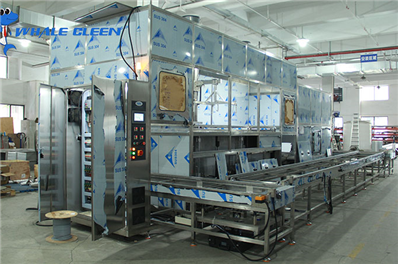 Want to Extend Turbine Disk Service Life? What Are the Key Selection Criteria for Ultrasonic Cleaning Machines?
In an aircraft engine overhaul shop, few components carry more weight—literally and metaphorically—than the turbine disk. Often described as the “backbone” of the engine, the turbine disk is a precision‑engineered component manufactured from nickel‑based
-
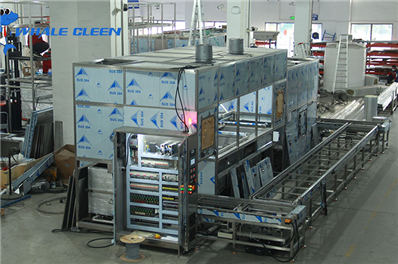 Fuel Nozzle Deep Degreasing Challenge: How Ultrasonic Cleaning Machines Remove Internal Deposits
Fuel nozzles are among the most precision-critical components in any engine—whether for diesel rail systems, gasoline direct injection, or gas turbines. Over their service life, three distinct contaminants accumulate inside the nozzle structure:Coked carb
-
 Application of ultrasonic cleaning in the pretreatment of electroplating
In the process of electroplating, sometimes the quality of the electroplating coating is not good. One of the factors that affect the quality of electroplating coating is that the cleaning before plating is not thorough enough. Whether it is decorative pl
-
 Sensor Metal Housing Cleaning: Ultrasonic vs. Spray—Where the Difference Actually Lives
A sensor housing comes off the machining line with cutting oil, metal fines, and oxidized particles packed into thread roots, blind-hole bottoms, and mating seams. It goes through a spray washer, comes out looking clean, and passes a visual check. Weeks l
-
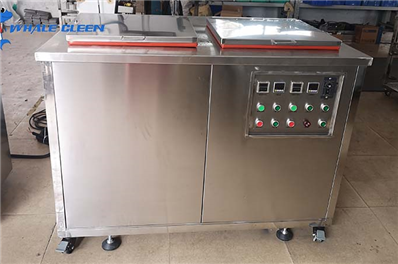 Ultrasonic Cleaning Machine for Batch Sensor Housings: How Whale cleen Prevents Scratches
Batch cleaning sensor housings is one of the most demanding tasks in precision manufacturing. These components often feature machined surfaces, threaded ports, blind holes, and tight tolerances. Contaminants such as cutting oil, metal fines, polishing res
-
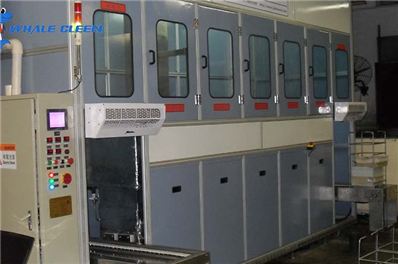 Ultrasonic Cleaning Machine: Solving the Micro-Hole Contamination Challenge in Sensor Housings
In automotive, aerospace, industrial automation, and electronics manufacturing, sensor housings are everywhere. These components often feature micro-holes, blind holes, internal channels, and threaded ports. During machining, stamping, molding, or assembl
-
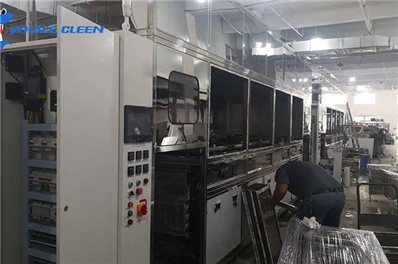 Ultrasonic Cleaning Machine: How to Remove Thick Oxide Scale Without Acid Pickling
Thick oxide scale is one of the most stubborn contaminants in industrial parts cleaning. It forms on steel, castings, forgings, and welded components after heat treatment, hot rolling, or high-temperature processing. In many plants, the default solution i
-
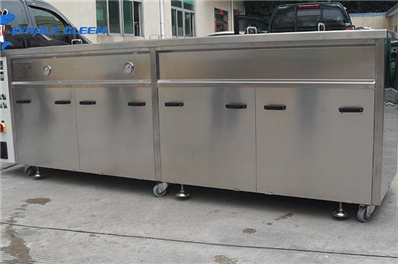 Ultrasonic Cleaning Machine for Blind Holes: How Whale Cleen Meets Strict Acceptance Standards
In precision manufacturing, the most difficult contamination is often the contamination you cannot see. Fine blind holes, narrow slots, threaded ports, and tight crevices can trap polishing dust, lapping residue, metal fines, and oil film. A part may look
-
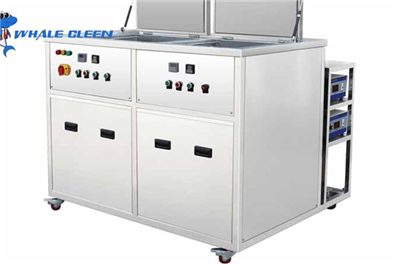 Stuck with Grinding Dust Embedded in Batch Workpiece Crevices? Manual Cleaning Is Draining Your Labor Budget and Driving Production Costs Through the Roof
Walk into any metalworking shop, stamping plant, or machining facility, and you will see the same scene repeated shift after shift: workers hunched over parts bins, scrubbing with brushes, picking at crevices with picks, blowing compressed air into blind
-
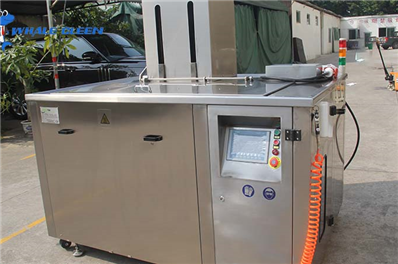 How Ultrasonic Cleaning Reaches the Thread Roots of Micro-Fasteners for Deep Chip and Oil Removal
In precision manufacturing, few challenges are as persistent—or as costly—as cleaning micro-fasteners. Screws, bolts, and threaded inserts with diameters under M2 feature intricate geometries: narrow thread valleys, blind holes, and sharp internal corners
-
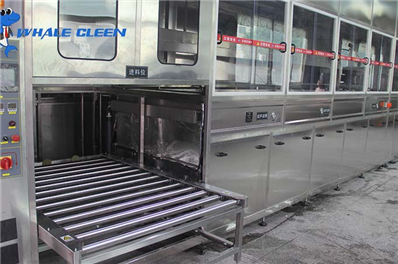 Can One Ultrasonic Cleaning Machine Really Solve Water Stain and Oxidation Problems on Die-Cast Parts?
Walk into any die-casting facility, and you will hear the same frustration from quality control inspectors and production managers alike. Aluminum die-cast parts emerge from the cleaning line looking perfectly clean—only to reveal white spots, cloudy patc